


A natural haven shaped by 2,000 years of history
Château Gasqui is set within a small natural depression — a doline — covering 4 to 5 km², north of Gonfaron. This place bears the mark of uninterrupted agricultural activity since Roman times, and probably long before, during the Ligurian period.
The estate is surrounded by untouched nature: lush forests, steep hills, limestone rocks and deep soils composed of clay and silt.
This exceptional environment is also home to a temporary lake classified as Natura 2000, a refuge for several endemic species and a powerful symbol of the biodiversity that thrives here.
Producing wine at Gasqui means cultivating a terroir steeped in history, guided by a single philosophy: to reveal the place without artifice, through demanding biodynamic agriculture.
Château Gasqui is set within a small natural depression — a doline — covering 4 to 5 km², north of Gonfaron. This place bears the mark of uninterrupted agricultural activity since Roman times, and probably long before, during the Ligurian period.
The estate is surrounded by untouched nature: lush forests, steep hills, limestone rocks and deep soils composed of clay and silt.
This exceptional environment is also home to a temporary lake classified as Natura 2000, a refuge for several endemic species and a powerful symbol of the biodiversity that thrives here.
Producing wine at Gasqui means cultivating a terroir steeped in history, guided by a single philosophy: to reveal the place without artifice, through demanding biodynamic agriculture.
Château Gasqui is set within a small natural depression — a doline — covering 4 to 5 km², north of Gonfaron. This place bears the mark of uninterrupted agricultural activity since Roman times, and probably long before, during the Ligurian period.
The estate is surrounded by untouched nature: lush forests, steep hills, limestone rocks and deep soils composed of clay and silt.
This exceptional environment is also home to a temporary lake classified as Natura 2000, a refuge for several endemic species and a powerful symbol of the biodiversity that thrives here.
Producing wine at Gasqui means cultivating a terroir steeped in history, guided by a single philosophy: to reveal the place without artifice, through demanding biodynamic agriculture.
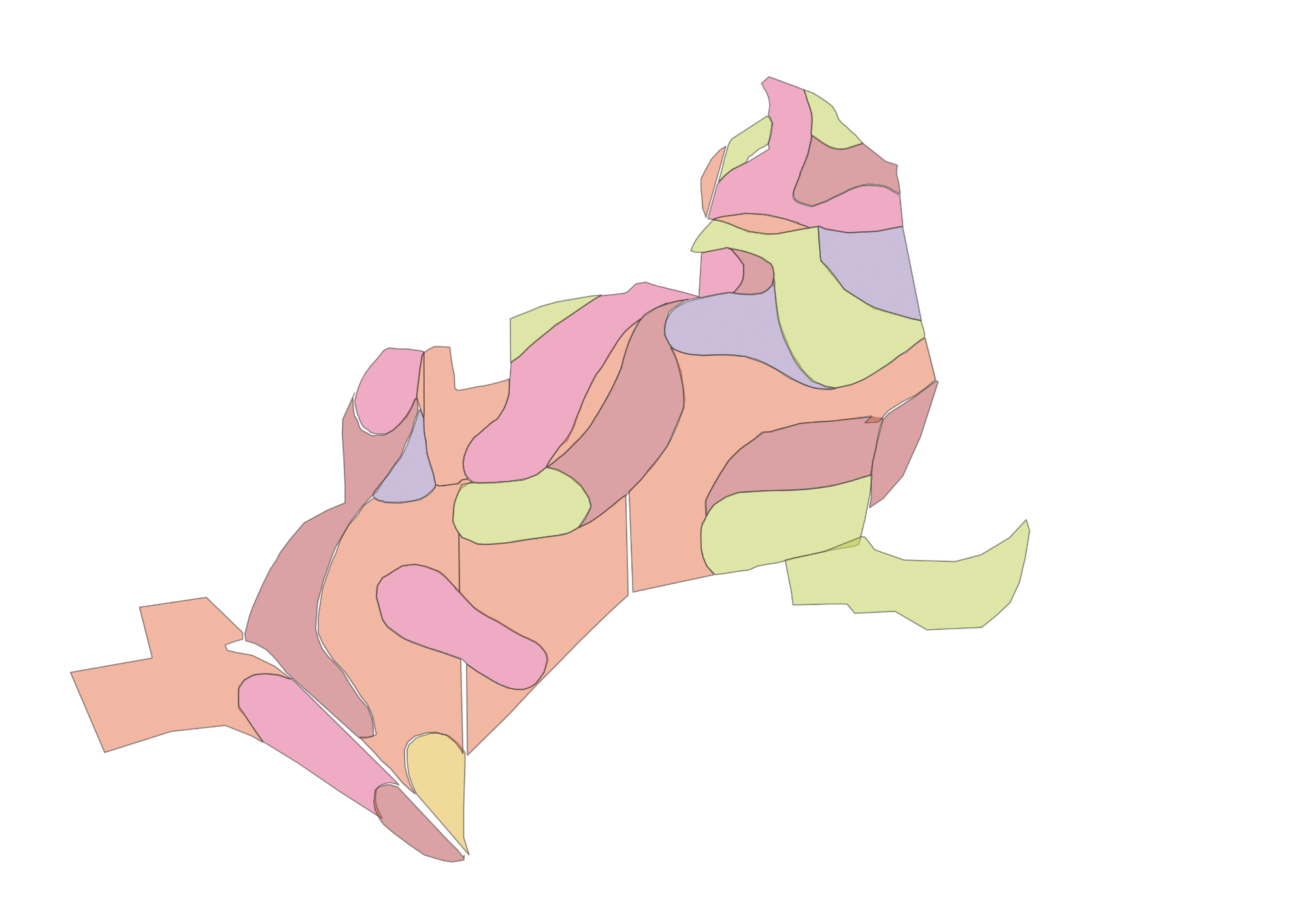

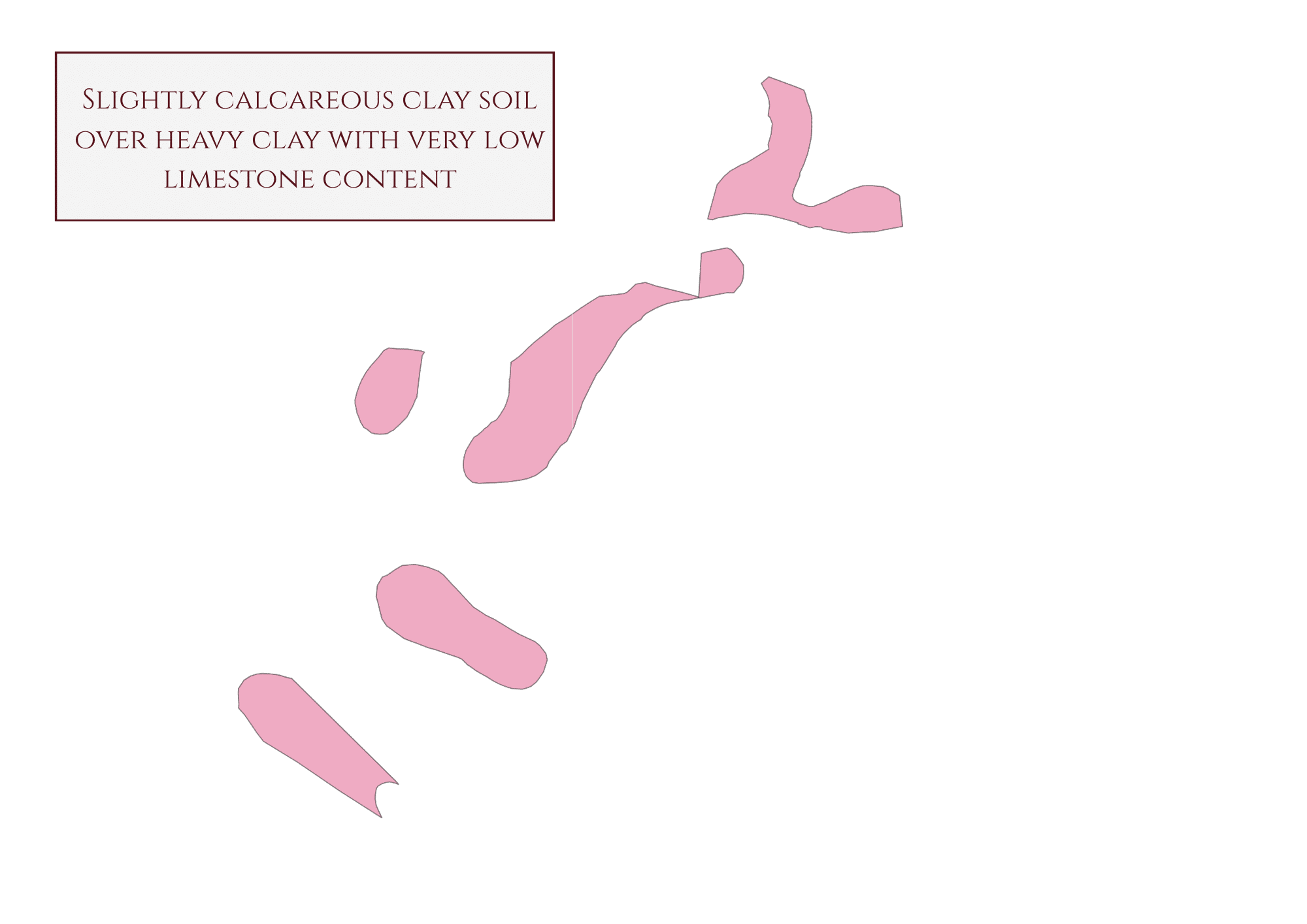

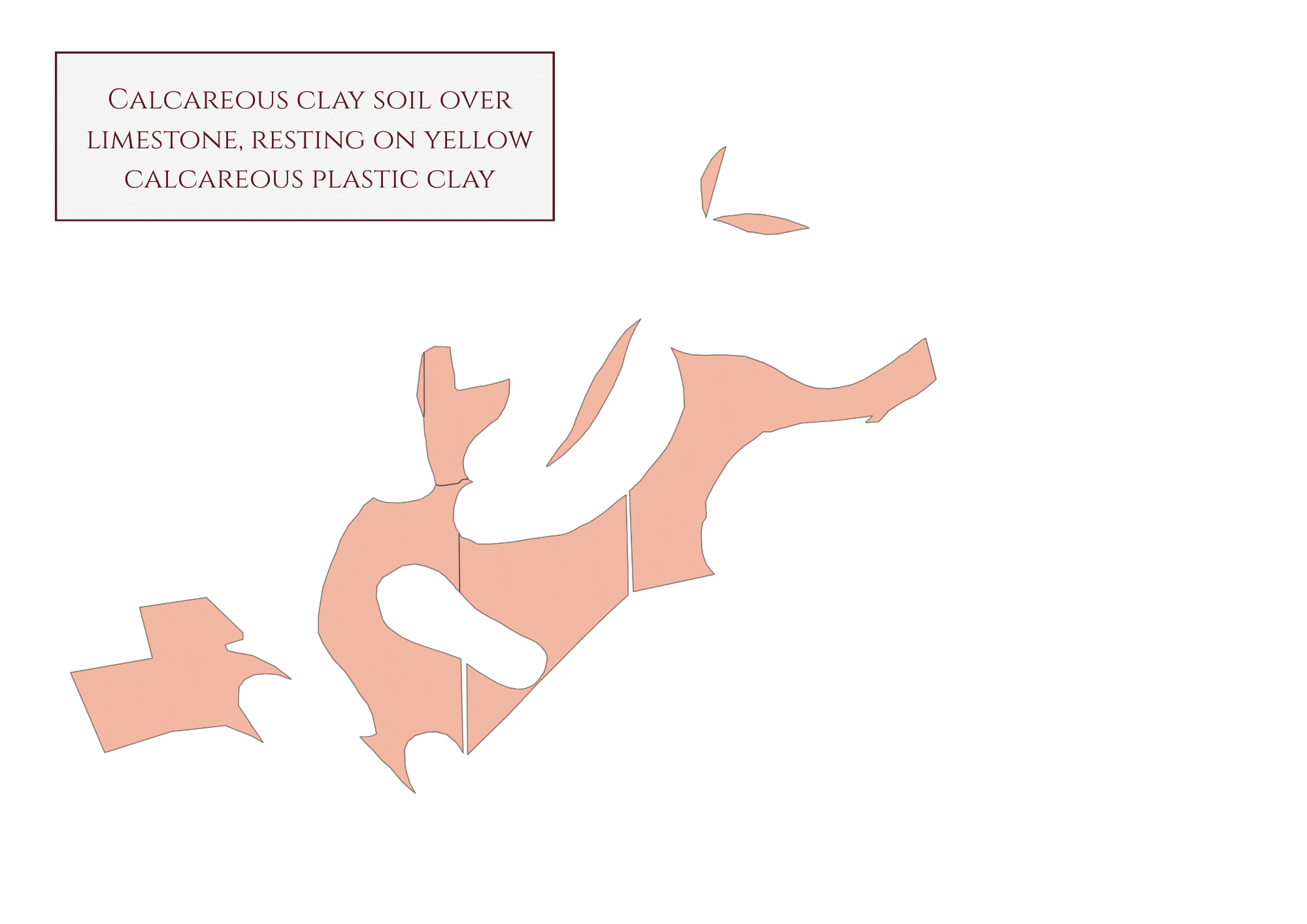

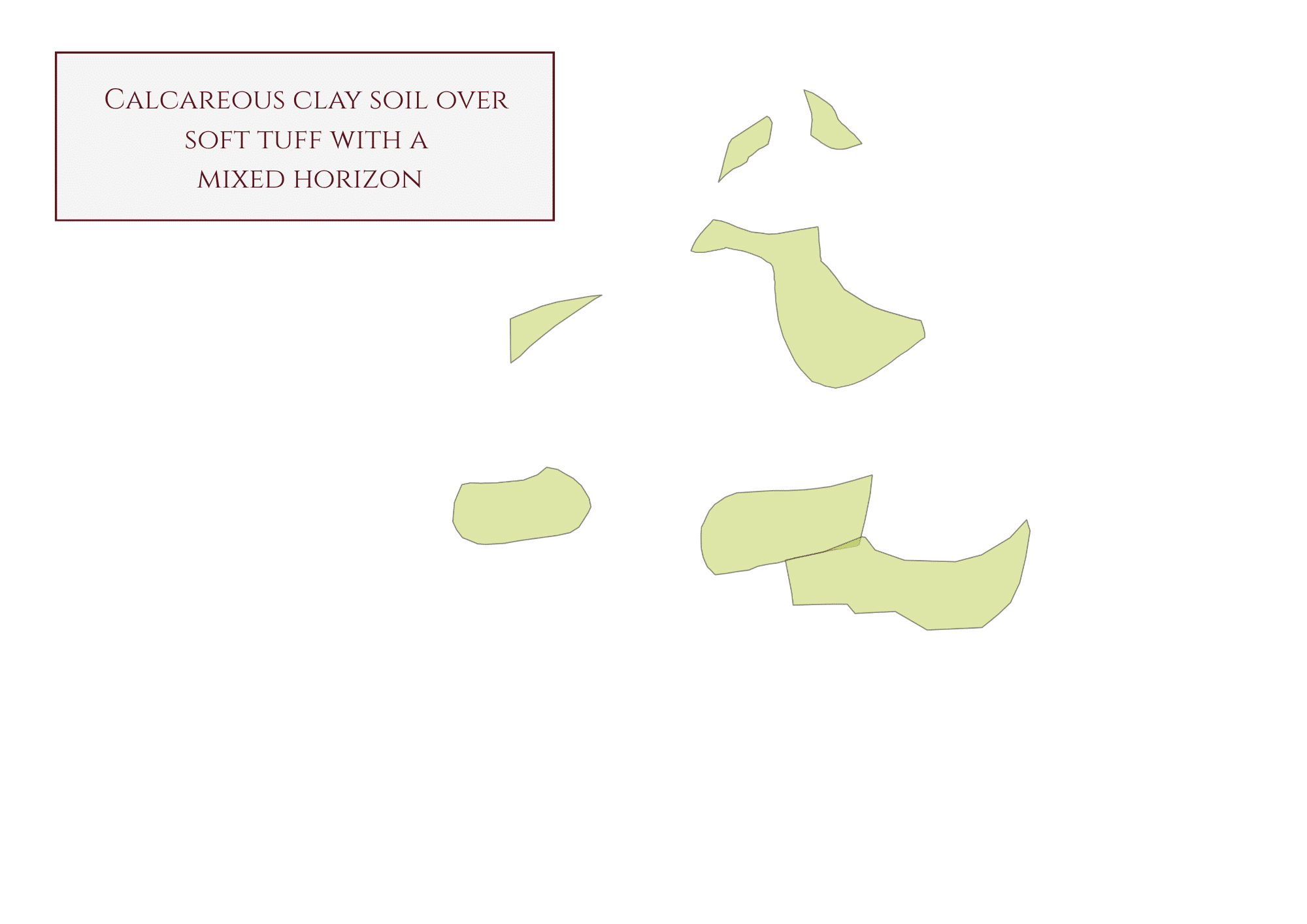

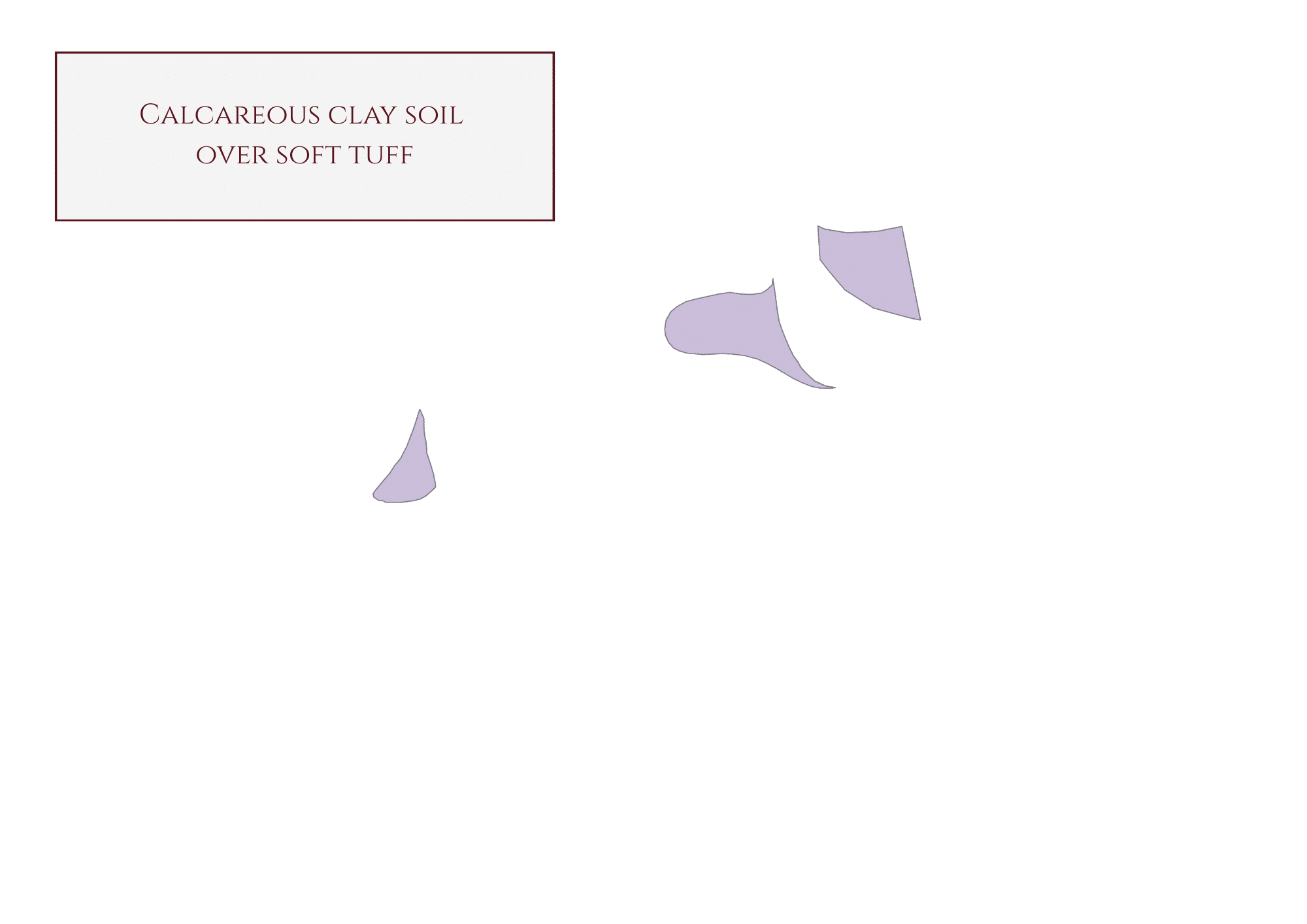

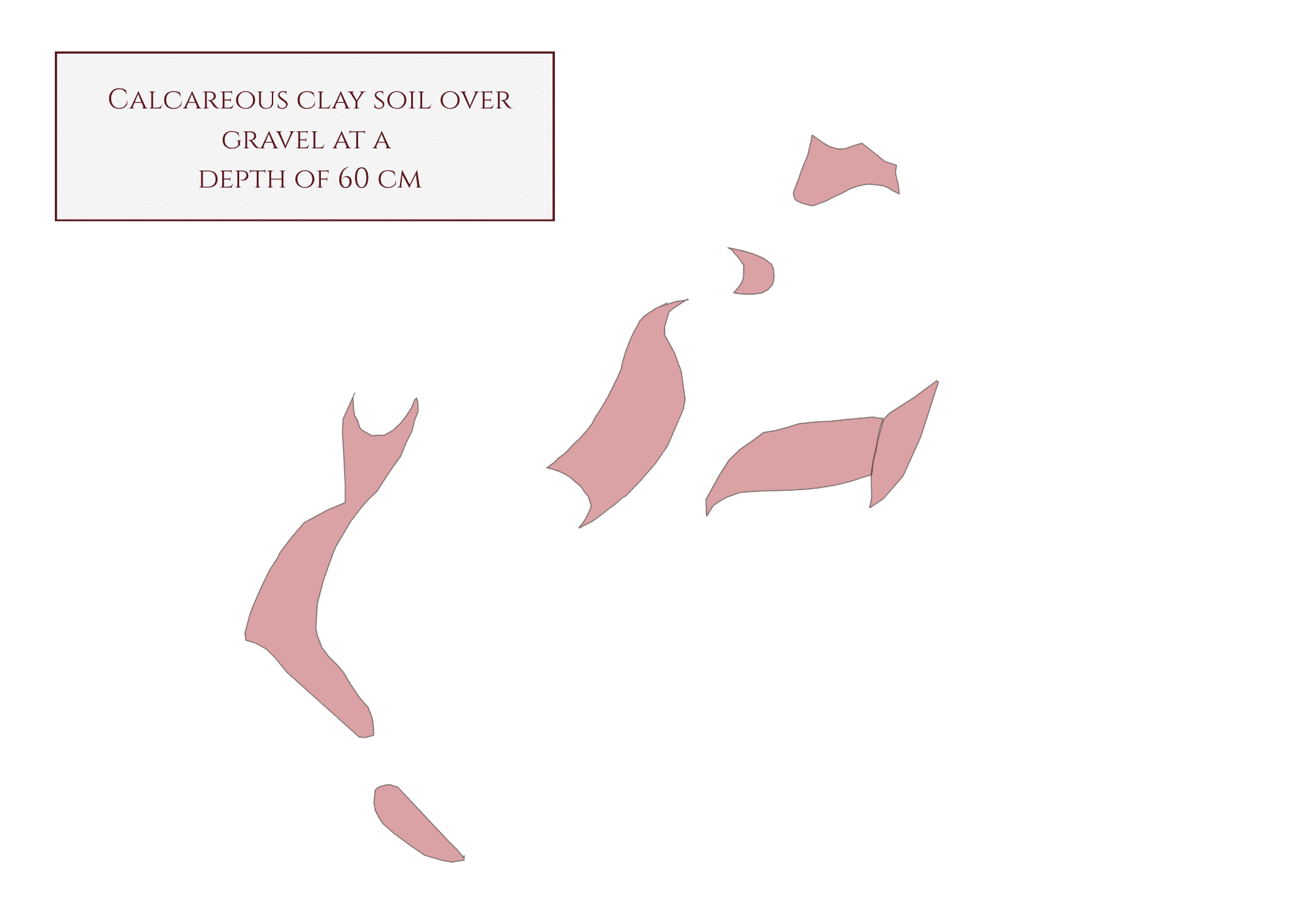

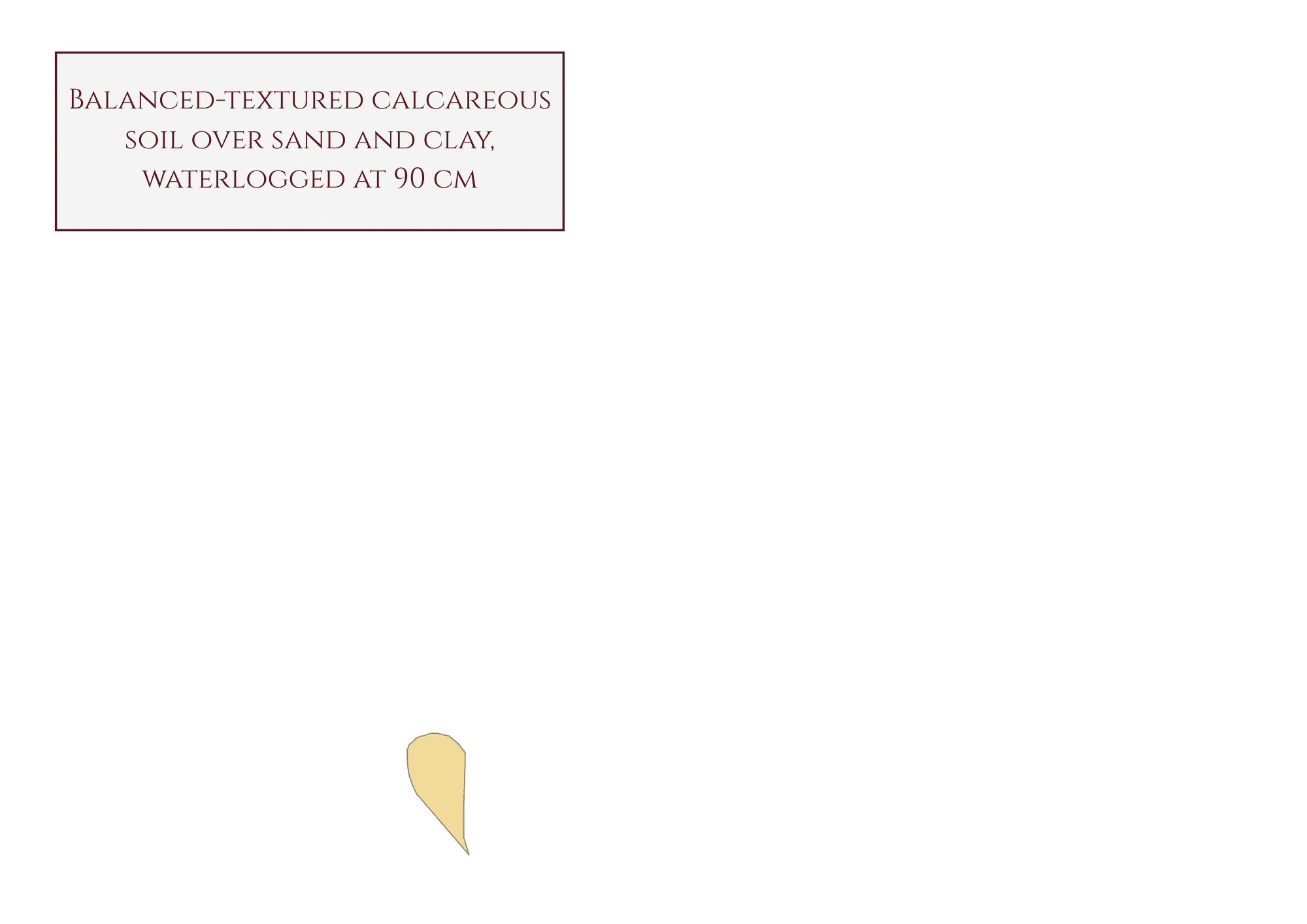

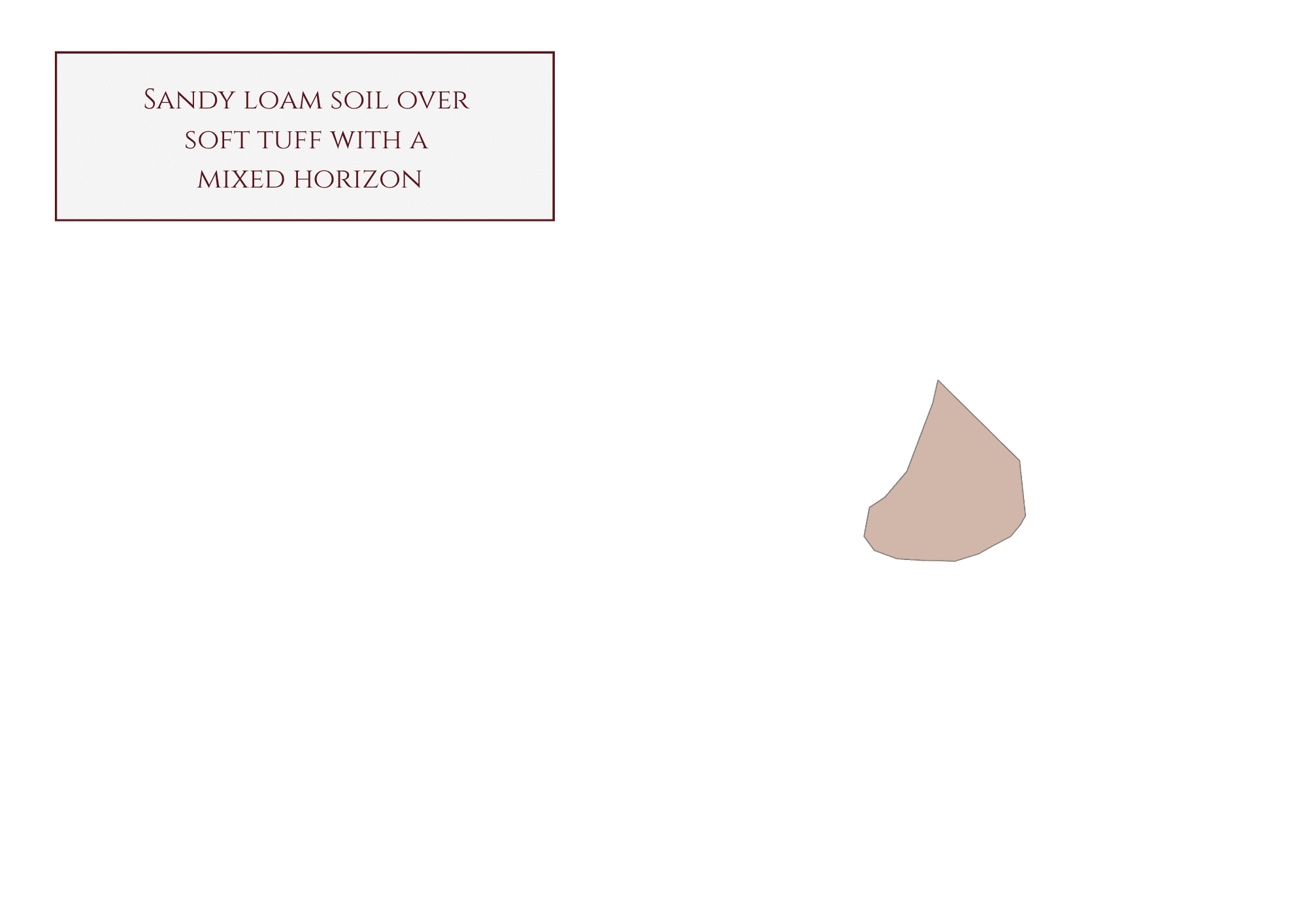
At Château Gasqui, the terroir is expressed as a true triptych, where the pedoclimate — the subtle alliance of soil and climate — intertwines with the plant material, grape varieties and rootstocks, and human savoir-faire.
The Gasqui plain lies on a clay-limestone plateau dating back to the Middle Triassic period, around 240 million years ago, with, in some areas, a strong presence of Muschelkalk limestone.
The soils reveal remarkable diversity: deep, silty-clay-sandy soils in the heart of the plain, becoming more limestone-rich on the higher ground. This creates a mosaic of expressions that contributes to the complexity of the wines. Their natural water reserves are a precious asset in the face of hot, dry summers.
The climate, continental in character, differs clearly from that of the Maures plain thanks to the altitude, which can create a temperature difference of up to five degrees compared with Cuers. This relative freshness encourages slow, balanced grape ripening, supported by a marked difference between daytime and night-time temperatures. It preserves aromatic finesse and extends the ripening cycles.
Contrary to popular belief, the estate also benefits from sufficient rainfall, with an average of 750 mm of water per year, mainly concentrated in autumn and winter.
At Château Gasqui, the terroir is expressed as a true triptych, where the pedoclimate — the subtle alliance of soil and climate — intertwines with the plant material, grape varieties and rootstocks, and human savoir-faire.
The Gasqui plain lies on a clay-limestone plateau dating back to the Middle Triassic period, around 240 million years ago, with, in some areas, a strong presence of Muschelkalk limestone.
The soils reveal remarkable diversity: deep, silty-clay-sandy soils in the heart of the plain, becoming more limestone-rich on the higher ground. This creates a mosaic of expressions that contributes to the complexity of the wines. Their natural water reserves are a precious asset in the face of hot, dry summers.
The climate, continental in character, differs clearly from that of the Maures plain thanks to the altitude, which can create a temperature difference of up to five degrees compared with Cuers. This relative freshness encourages slow, balanced grape ripening, supported by a marked difference between daytime and night-time temperatures. It preserves aromatic finesse and extends the ripening cycles.
Contrary to popular belief, the estate also benefits from sufficient rainfall, with an average of 750 mm of water per year, mainly concentrated in autumn and winter.
The estate’s vineyard practices and savoir-faire continue this pursuit of excellence with precision. At Gasqui, hand harvesting is an integral part of the property’s DNA and reflects a deep commitment to respecting the fruit. Every technical decision is made with quality in mind: pruning is carried out with respect for sap flow in order to preserve the longevity of the vines, disbudding is done in-house to ensure rigorous selection, and canopy management is carried out with great care, without topping, using only late trimming to support maturity without rushing it. Through this measured and coherent approach, the terroir finds the ideal conditions to express itself with accuracy and authenticity.
Since 2022, Château Gasqui has undertaken an ambitious vineyard restructuring programme, guided by the condition of each plot and the suitability of each grape variety to the identity of the place. As part of this dynamic, Syrah has given way to Grenache, now reigning as the true king of the vineyard. A sun-loving and nuanced grape variety, Grenache expresses itself here with brilliance, both in rosés and reds. The whites are mainly based on Rolle, Ugni Blanc and Sémillon. Some plots are true pieces of living heritage, planted as early as 1965, before the era of clonal selection: Ugni Blanc, Carignan, Cinsault, Grenache Noir and Grenache Blanc reveal a rare genetic diversity. Other vines, from Lilian Bérillon’s massal selections, reflect a constant pursuit of excellence and a clear desire to preserve the richness and diversity of life at Gasqui.
Since 2022, Château Gasqui has undertaken an ambitious vineyard restructuring programme, guided by the condition of each plot and the suitability of each grape variety to the identity of the place. As part of this dynamic, Syrah has given way to Grenache, now reigning as the true king of the vineyard. A sun-loving and nuanced grape variety, Grenache expresses itself here with brilliance, both in rosés and reds. The whites are mainly based on Rolle, Ugni Blanc and Sémillon. Some plots are true pieces of living heritage, planted as early as 1965, before the era of clonal selection: Ugni Blanc, Carignan, Cinsault, Grenache Noir and Grenache Blanc reveal a rare genetic diversity. Other vines, from Lilian Bérillon’s massal selections, reflect a constant pursuit of excellence and a clear desire to preserve the richness and diversity of life at Gasqui.
The estate’s vineyard practices and savoir-faire continue this pursuit of excellence with precision. At Gasqui, hand harvesting is an integral part of the property’s DNA and reflects a deep commitment to respecting the fruit. Every technical decision is made with quality in mind: pruning is carried out with respect for sap flow in order to preserve the longevity of the vines, disbudding is done in-house to ensure rigorous selection, and canopy management is carried out with great care, without topping, using only late trimming to support maturity without rushing it. Through this measured and coherent approach, the terroir finds the ideal conditions to express itself with accuracy and authenticity.
Since 2022, Château Gasqui has undertaken an ambitious vineyard restructuring programme, guided by the condition of each plot and the suitability of each grape variety to the identity of the place. As part of this dynamic, Syrah has given way to Grenache, now reigning as the true king of the vineyard. A sun-loving and nuanced grape variety, Grenache expresses itself here with brilliance, both in rosés and reds. The whites are mainly based on Rolle, Ugni Blanc and Sémillon. Some plots are true pieces of living heritage, planted as early as 1965, before the era of clonal selection: Ugni Blanc, Carignan, Cinsault, Grenache Noir and Grenache Blanc reveal a rare genetic diversity. Other vines, from Lilian Bérillon’s massal selections, reflect a constant pursuit of excellence and a clear desire to preserve the richness and diversity of life at Gasqui.
The estate’s vineyard practices and savoir-faire continue this pursuit of excellence with precision. At Gasqui, hand harvesting is an integral part of the property’s DNA and reflects a deep commitment to respecting the fruit. Every technical decision is made with quality in mind: pruning is carried out with respect for sap flow in order to preserve the longevity of the vines, disbudding is done in-house to ensure rigorous selection, and canopy management is carried out with great care, without topping, using only late trimming to support maturity without rushing it. Through this measured and coherent approach, the terroir finds the ideal conditions to express itself with accuracy and authenticity.
The Gasqui plain has been inhabited for thousands of years.
Archaeological excavations have revealed several periods of human occupation:
The discovery of a Courtavant-type hunting knife, often found in Ligurian burial sites in the south of France.
The Roman presence at Gasqui is attested by the discovery of coins bearing the effigies of Augustus, Caligula and Claudius, as well as sigillata ceramics, typical tableware of the period. These remains, complemented by funerary objects, bear witness to a lasting and organised occupation of the plain during the first centuries of our era.
A stele, or part of a stele, was also found on the estate, bearing the inscription in capital letters: LEG XXI. This inscription corresponds to the 21st Legion, formed between 40 and 30 BC. This stele may potentially relate to the Gallo-Roman fundus of Gasqui, an agricultural estate. Various members of the 21st Legion may have taken part in the agricultural activity of the estate.
The medieval period remains difficult to document. However, the discovery of a coin dating from the reign of Louis XIII, around 1640, attests to human activity during the modern period. In 1898, the Benestan family acquired the estate. During the 20th century, several families of farmers and owners succeeded one another, including the Benestan, Roubaud, Fiat and Heller families, placing Gasqui within a living and continuous history.
The Gasqui plain has been inhabited for thousands of years.
Archaeological excavations have revealed several periods of human occupation:
The discovery of a Courtavant-type hunting knife, often found in Ligurian burial sites in the south of France.
The Roman presence at Gasqui is attested by the discovery of coins bearing the effigies of Augustus, Caligula and Claudius, as well as sigillata ceramics, typical tableware of the period. These remains, complemented by funerary objects, bear witness to a lasting and organised occupation of the plain during the first centuries of our era.
A stele, or part of a stele, was also found on the estate, bearing the inscription in capital letters: LEG XXI. This inscription corresponds to the 21st Legion, formed between 40 and 30 BC. This stele may potentially relate to the Gallo-Roman fundus of Gasqui, an agricultural estate. Various members of the 21st Legion may have taken part in the agricultural activity of the estate.
The medieval period remains difficult to document. However, the discovery of a coin dating from the reign of Louis XIII, around 1640, attests to human activity during the modern period. In 1898, the Benestan family acquired the estate. During the 20th century, several families of farmers and owners succeeded one another, including the Benestan, Roubaud, Fiat and Heller families, placing Gasqui within a living and continuous history.
The Gasqui plain has been inhabited for thousands of years.
Archaeological excavations have revealed several periods of human occupation:
The discovery of a Courtavant-type hunting knife, often found in Ligurian burial sites in the south of France.
The Roman presence at Gasqui is attested by the discovery of coins bearing the effigies of Augustus, Caligula and Claudius, as well as sigillata ceramics, typical tableware of the period. These remains, complemented by funerary objects, bear witness to a lasting and organised occupation of the plain during the first centuries of our era.
A stele, or part of a stele, was also found on the estate, bearing the inscription in capital letters: LEG XXI. This inscription corresponds to the 21st Legion, formed between 40 and 30 BC. This stele may potentially relate to the Gallo-Roman fundus of Gasqui, an agricultural estate. Various members of the 21st Legion may have taken part in the agricultural activity of the estate.
The medieval period remains difficult to document. However, the discovery of a coin dating from the reign of Louis XIII, around 1640, attests to human activity during the modern period. In 1898, the Benestan family acquired the estate. During the 20th century, several families of farmers and owners succeeded one another, including the Benestan, Roubaud, Fiat and Heller families, placing Gasqui within a living and continuous history.